

Pittsburgh History, Inventions & Local Lore
Things Pittsburgh Gave the World
Pittsburgh is famous for steel, bridges and french fries on sandwiches. But the region's fingerprints are also on lifesaving medicine, professional football, modern emergency medicine, robotics, internet culture and inventions used around the world.
And then there are the stories Pittsburghers have repeated for generations that aren't quite true. Was a Pittsburgh bridge really the prototype for the Golden Gate Bridge? Did we invent ketchup? Does Pittsburgh actually have more bridges than any city on Earth?
Explore the inventions, firsts, regional contributions and Pittsburgh legends below — including a few myths we're happy to ruin for you.
Fact, folklore or somewhere in between?
Pittsburgh has plenty of real bragging rights. We don't need to invent any.
Local history gets messy. Something can be invented in Pittsburgh, developed by a Pittsburgher somewhere else, created in Western Pennsylvania, commercially introduced here, or simply become so closely associated with Pittsburgh that people eventually assume we invented it.
That's why the stories below are labeled. You'll find genuine Pittsburgh inventions, important regional contributions, documented Pittsburgh firsts and a collection of myths that deserve a little fact-checking.
Explore the stories
What did Pittsburgh really invent?
Showing 20 stories
Try another term or choose “All Stories.”
 Invented Here
The Railroad Air Brake
George Westinghouse's Pittsburgh-developed air brake transformed railroad safety and helped launch an industrial empire.
Early trains relied on brakemen who manually applied brakes on individual railcars — a dangerous system that became increasingly impractical as trains grew longer and faster.
George Westinghouse developed a compressed-air braking system that allowed the engineer to control the brakes throughout the train. He received a U.S. patent in 1869 and built the Westinghouse Air Brake Company in Pittsburgh.
The invention dramatically improved railroad safety and became foundational technology for rail transportation around the world.
The Pittsburgh connection: This one is real. Westinghouse developed the technology while building his career and companies in Pittsburgh.
 Conceived Here
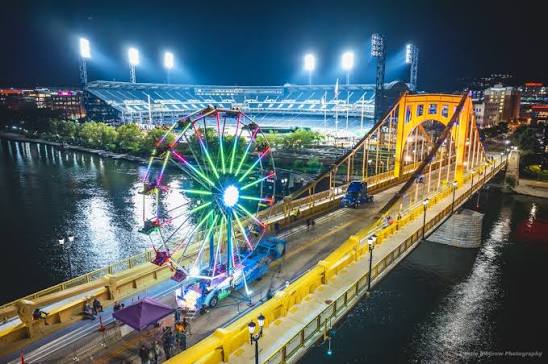
The Ferris Wheel
The original wheel stood in Chicago — but the engineer whose name became synonymous with it was working in Pittsburgh.
George Washington Gale Ferris Jr. was a civil engineer involved in bridge and structural work in Pittsburgh when he developed the enormous revolving observation wheel that would bear his name.
His giant wheel was selected for the 1893 World's Columbian Exposition in Chicago as an American engineering spectacle capable of rivaling the Eiffel Tower.
The first Ferris Wheel was therefore built in Chicago, not Pittsburgh. Pittsburgh's claim comes through Ferris himself and the engineering career from which the idea emerged.
The accurate version: The Ferris Wheel wasn't physically built in Pittsburgh, but its inventor was a Pittsburgh engineer when he conceived it.
 Pittsburgh First
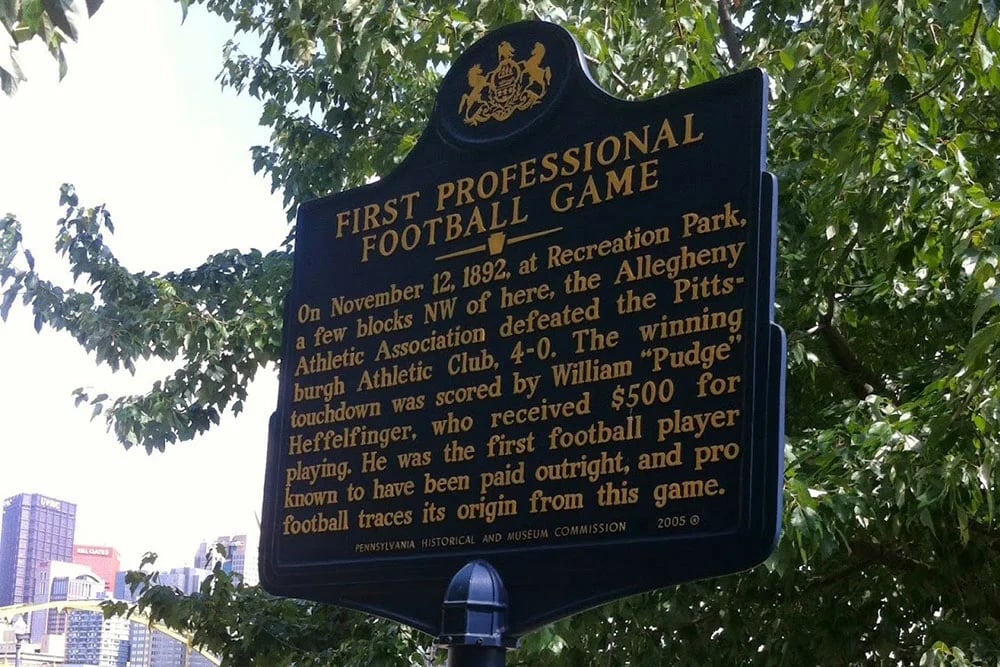
The Birth of Professional Football
Professional football began long before the Steelers — on what is now Pittsburgh's North Side.
In 1892, the Allegheny Athletic Association secretly paid William “Pudge” Heffelfinger $500 to play in a game against the Pittsburgh Athletic Club.
The surviving accounting record documenting the payment makes Heffelfinger the first known football player to be paid specifically to participate in a game.
Allegheny was still an independent city at the time. Pittsburgh annexed it in 1907, and the area is now Pittsburgh's North Side.
Translation: Pittsburgh can legitimately claim a foundational moment in the creation of professional football.
 Pittsburgh First
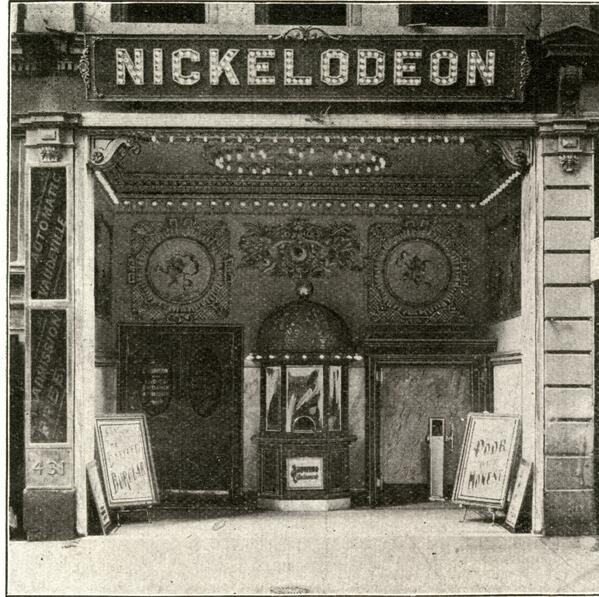
The Nickelodeon Movie Theater
Downtown Pittsburgh helped transform moving pictures from a novelty into something people visited a theater specifically to watch.
Harry Davis and John P. Harris opened the Nickelodeon on Smithfield Street in Downtown Pittsburgh in 1905.
Films had existed before then, of course, but the Nickelodeon became famous as an early theater devoted specifically to showing motion pictures continuously to paying audiences.
The business model spread rapidly, and “nickelodeon” became a generic name for thousands of early storefront movie theaters.
Why it matters: Pittsburgh played an important role in turning motion pictures into a dedicated entertainment business.
 Myth... Sort Of
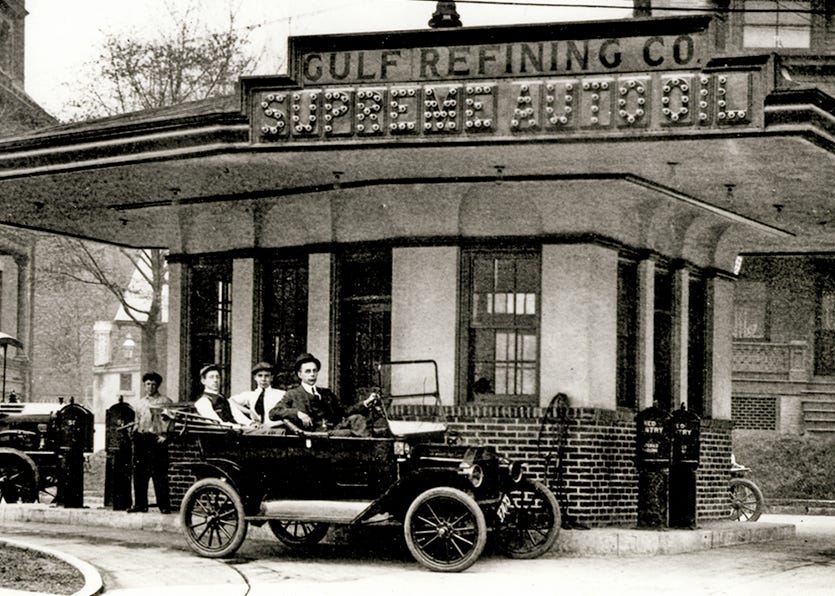
Did Pittsburgh Have the World's First Gas Station?
The Gulf station on Baum Boulevard is often called the world's first gas station. The real answer is more complicated.
The story: The world's first automobile gas station opened on Baum Boulevard in Pittsburgh in 1913.
The Gulf station at Baum Boulevard and St. Clair Street was unquestionably an important milestone in the development of the modern filling station.
But historians have identified earlier businesses elsewhere that were already dispensing gasoline directly to motorists, making the sweeping “world's first gas station” claim difficult to defend.
The better claim: Pittsburgh's 1913 Gulf station helped establish the purpose-built, drive-in, branded service-station model familiar to generations of American drivers.
 Pittsburgh First
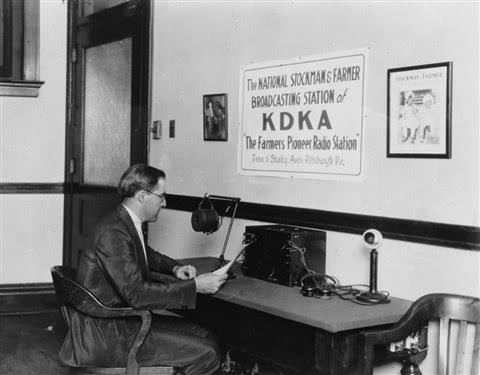
KDKA and the Beginning of Commercial Radio
Pittsburgh was at the center of radio's transformation from experimental technology into mass media.
On November 2, 1920, Westinghouse station KDKA broadcast returns from the presidential election between Warren G. Harding and James M. Cox.
KDKA became one of the foundational stations of regular commercial broadcasting and is frequently credited with America's first commercial radio broadcast.
Experimental radio transmissions had occurred before KDKA, which is why careful historians usually distinguish between the invention of radio and the emergence of commercial broadcasting.
The accurate version: Pittsburgh didn't invent radio, but KDKA was instrumental in creating the commercial broadcasting era.
 Made Here
The Pittsburgh Sandwich
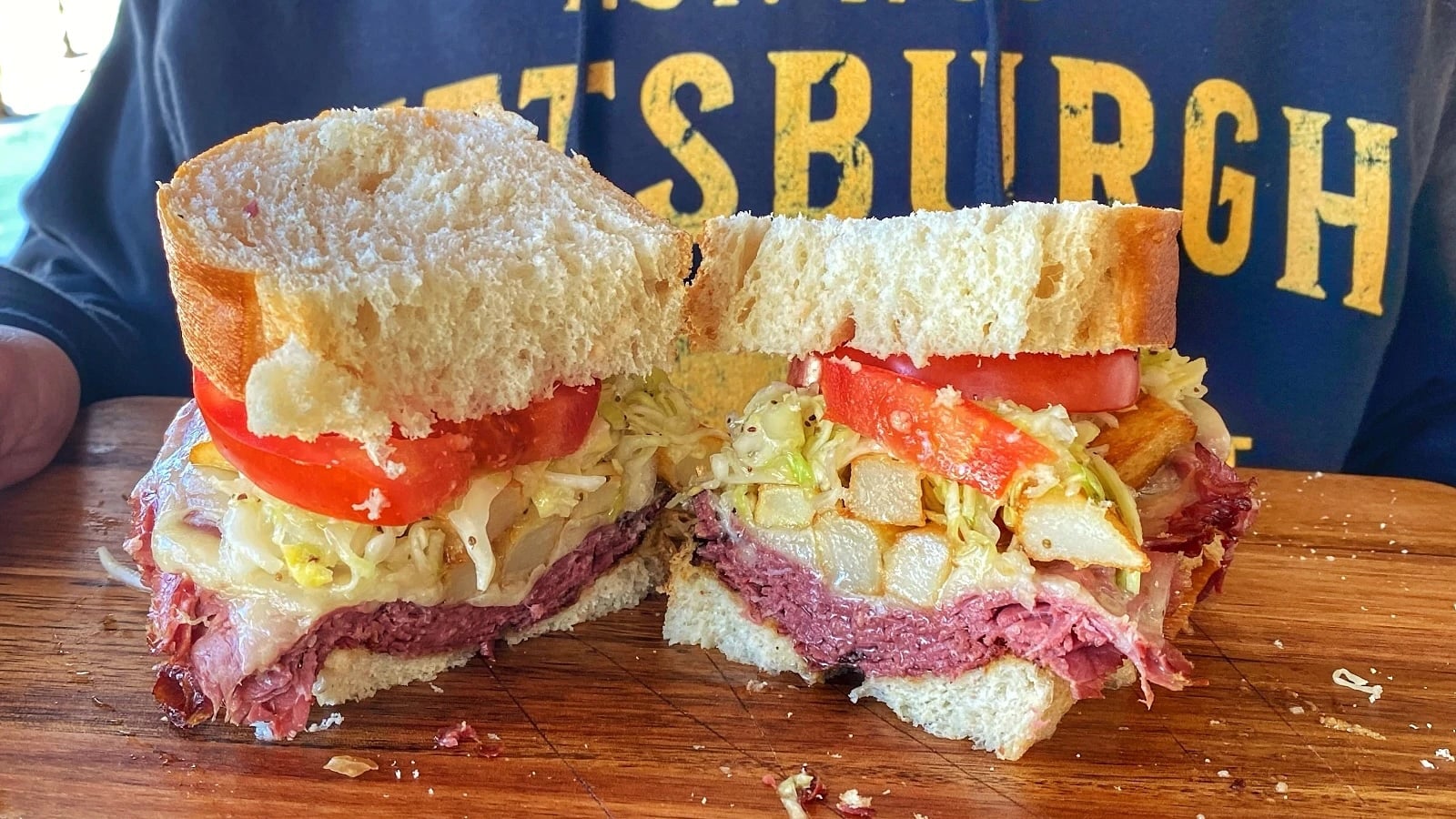
Meat, cheese, tomato, slaw and fries between thick slices of bread: Pittsburgh absolutely owns this one.
Primanti Bros. traces its beginnings to Pittsburgh's Strip District during the 1930s, serving workers in the busy wholesale produce and trucking district.
Its sandwich eventually became one of Pittsburgh's most recognizable foods: grilled meat, cheese, tomato, vinegar-based coleslaw and french fries stacked together between thick slices of Italian bread.
The sandwich itself is real Pittsburgh culinary history.
But about that truck-driver story... You'll often hear that fries and slaw were put on the sandwich so truck drivers could eat an entire meal with one hand. That's a great story, but versions of the company's own history tell a different tale about how the fries first wound up on sandwiches.
Verdict: Pittsburgh sandwich: real. One-handed truck-driver explanation: excellent folklore.
 Pittsburgh Legend
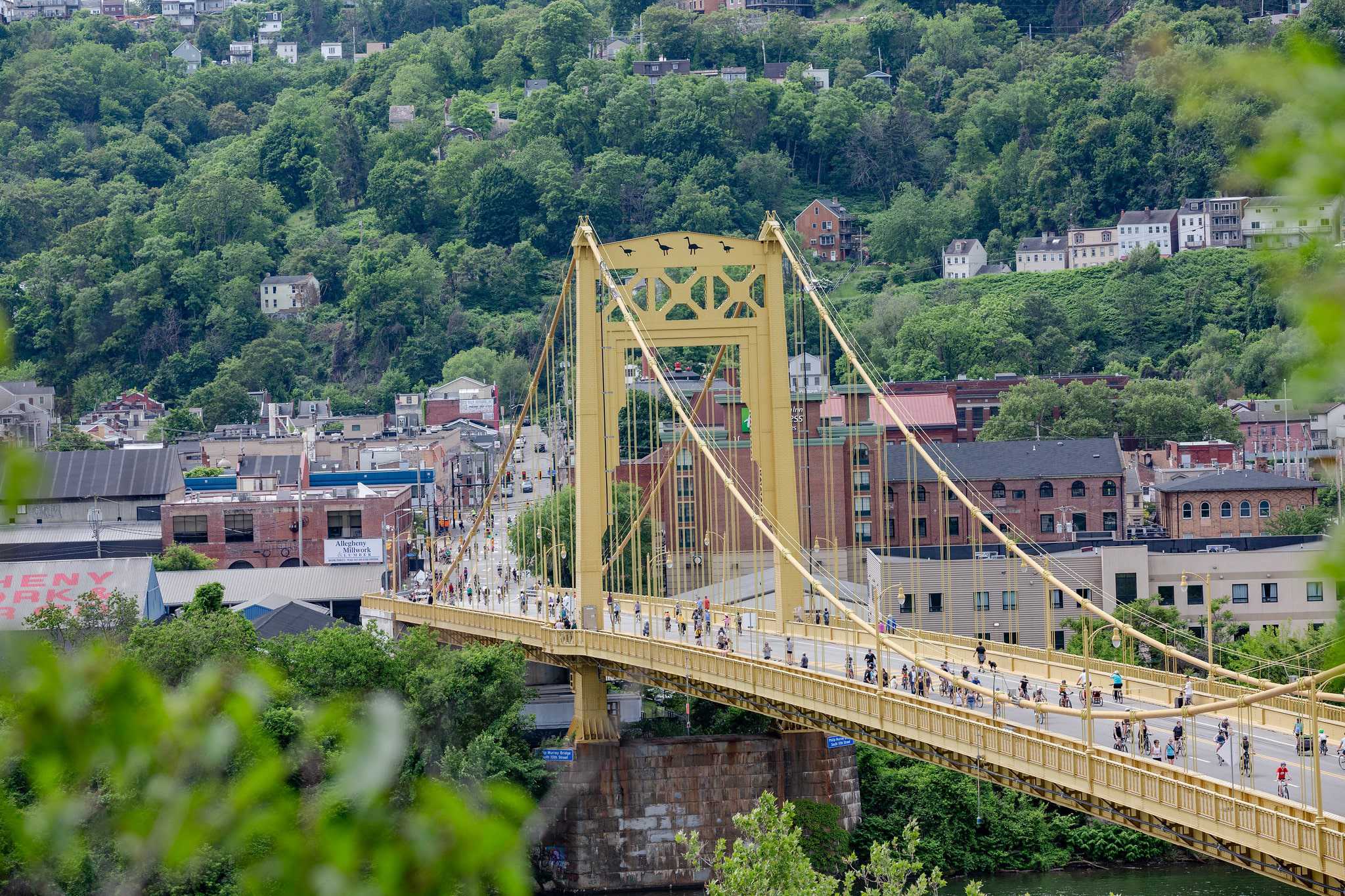
Was Pittsburgh's 10th Street Bridge the Prototype for the Golden Gate?
Generations of Pittsburghers have heard this one. It even made its way into local sightseeing-tour lore. Unfortunately, it isn't true.
The Pittsburgh legend: The South Tenth Street Bridge — officially the Philip Murray Bridge — was supposedly constructed as a prototype, model or “test run” for San Francisco's Golden Gate Bridge.
It's an unusually durable piece of Pittsburgh folklore. The two bridges are suspension bridges, were completed within several years of one another, and share some superficial visual similarities.
But the documented design histories do not connect the projects. Golden Gate engineers were already developing its modern long-span suspension design by 1929, before Pittsburgh's present South Tenth Street Bridge was completed.
Golden Gate engineering involved Joseph Strauss, Charles Ellis, Leon Moisseiff, Othmar Ammann and others. Pennsylvania records attribute the South Tenth Street Bridge to the Allegheny County Department of Public Works, with Sidney A. Shubin identified as principal designer.
Pittsburgh does have genuine connections to suspension-bridge history. John Roebling conducted important early wire-rope and suspension work in Western Pennsylvania, and engineers with ties to Pittsburgh bridge engineering intersect with the broader history of American bridge design.
None of that makes the South Tenth Street Bridge a Golden Gate prototype.
The verdict: Great Pittsburgh bar argument. Great local legend. No documented evidence that our bridge was the prototype for the Golden Gate.
 Western PA
The Original Jeep Prototype
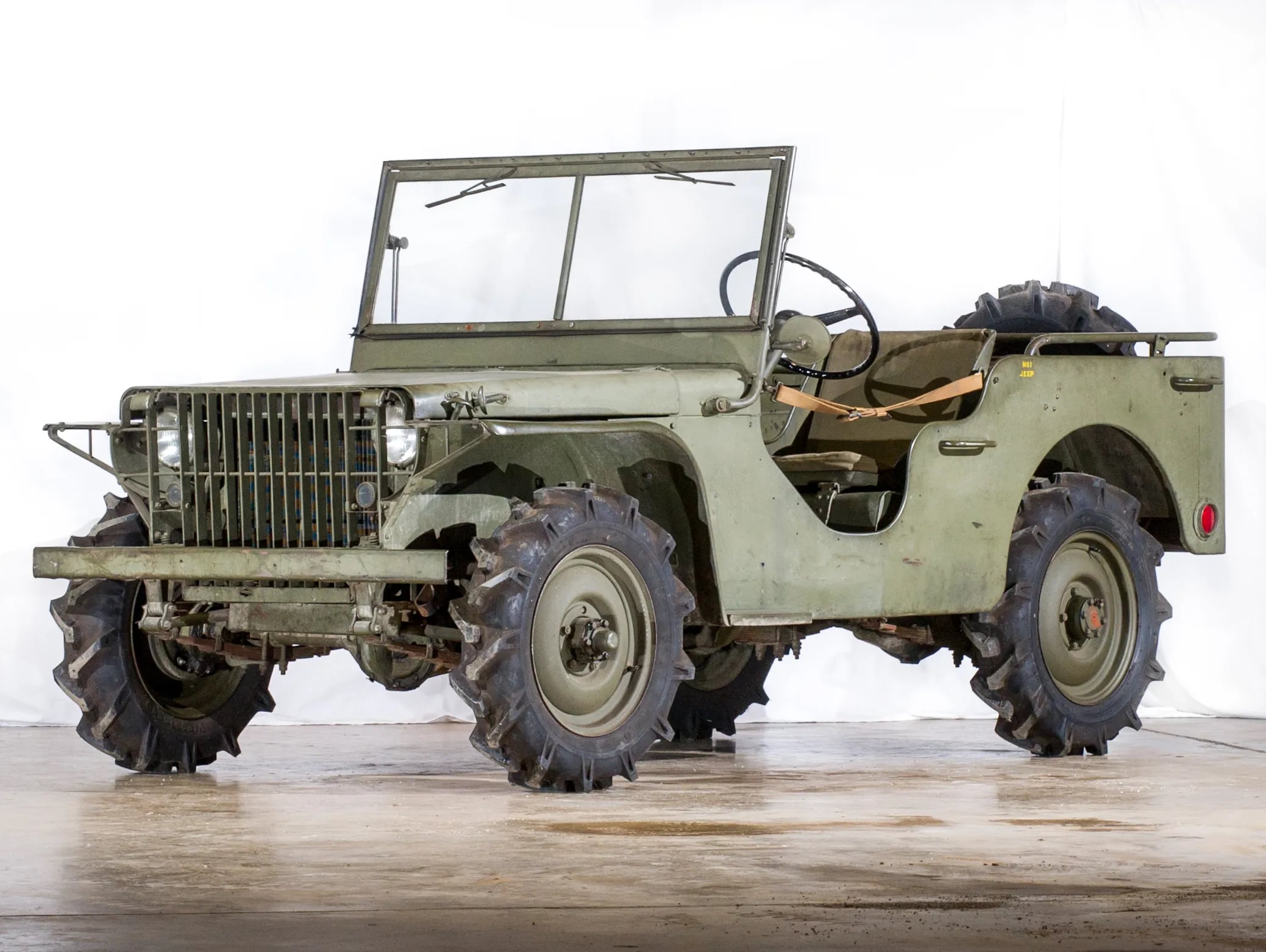
Head north to Butler and you'll find Western Pennsylvania's very real place in the complicated origin story of the Jeep.
In 1940, the U.S. Army requested designs for a lightweight four-wheel-drive reconnaissance vehicle.
The American Bantam Car Company in Butler produced an early working prototype that became a critical ancestor of the wartime vehicle we now know as the Jeep.
The complete Jeep story also involves Willys-Overland, Ford and the U.S. military. Other manufacturers refined the design and ultimately produced enormous numbers of the vehicles.
The distinction: Saying “Pittsburgh invented the Jeep” is too broad. Saying the Jeep's original prototype has roots in Butler, Pennsylvania, is much closer to the documented history.
 Pittsburgh First
Community-Supported Public Television
Before Pittsburgh became synonymous with Mister Rogers, WQED was already making television history.
WQED began broadcasting in Pittsburgh in 1954 and became America's first community-supported educational television station.
It later became home to one of television's most influential children's programs, Mister Rogers' Neighborhood, tying Pittsburgh permanently to the history of public broadcasting.
Pittsburgh's broadcasting résumé: KDKA helped launch commercial radio, while WQED became a pioneer in community-supported educational television.
 Developed Here
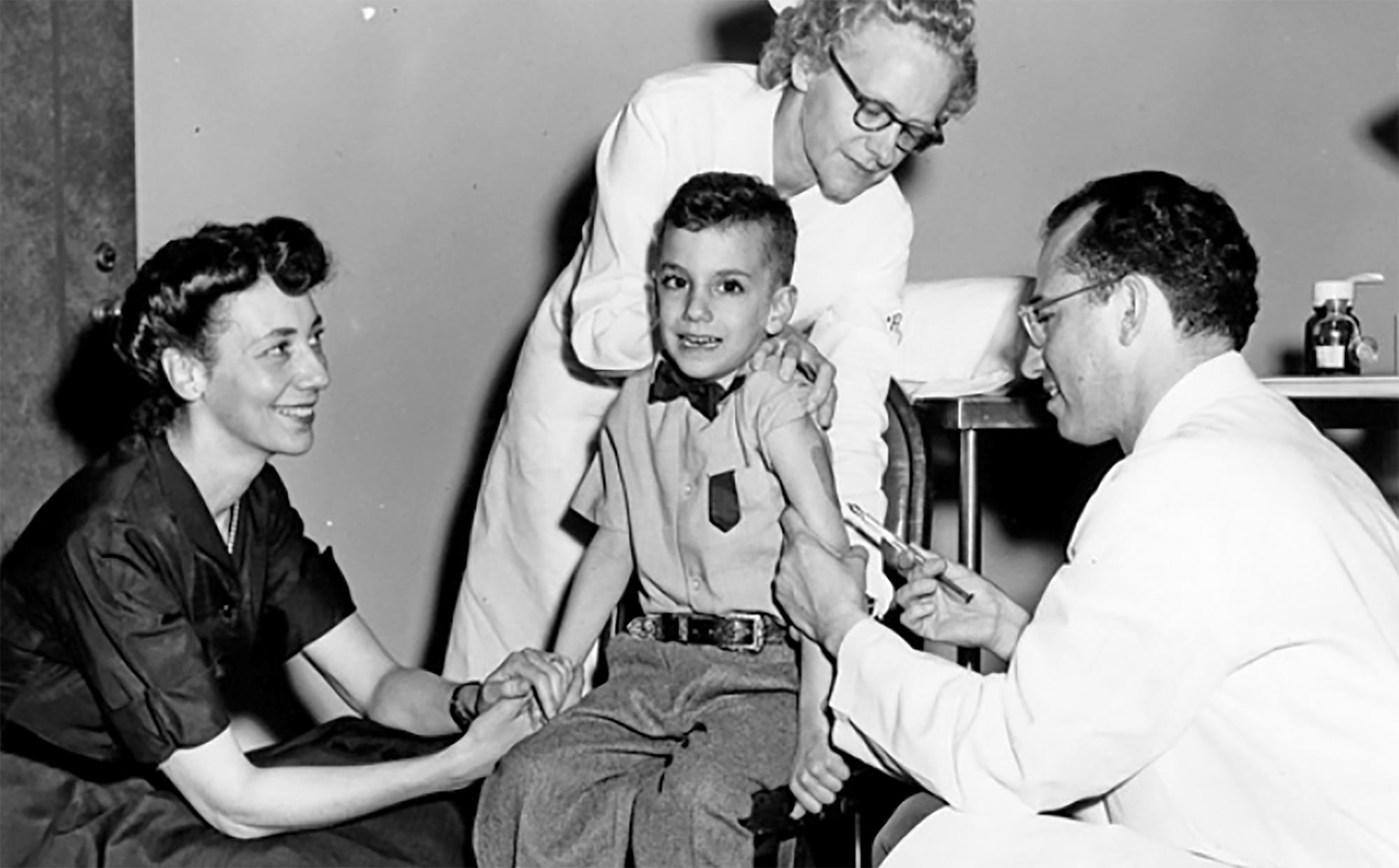
The Salk Polio Vaccine
One of the most important medical breakthroughs of the 20th century was developed at the University of Pittsburgh.
Polio terrified families during the first half of the 20th century, causing paralysis and death and producing recurring epidemics throughout the United States.
Dr. Jonas Salk and his research team at the University of Pittsburgh developed an inactivated-virus polio vaccine.
Following enormous field trials, the vaccine was declared safe and effective in 1955 and became a central tool in bringing polio under control.
No myth required: The Salk polio vaccine is one of Pittsburgh's most consequential contributions to the world.
 Medical First
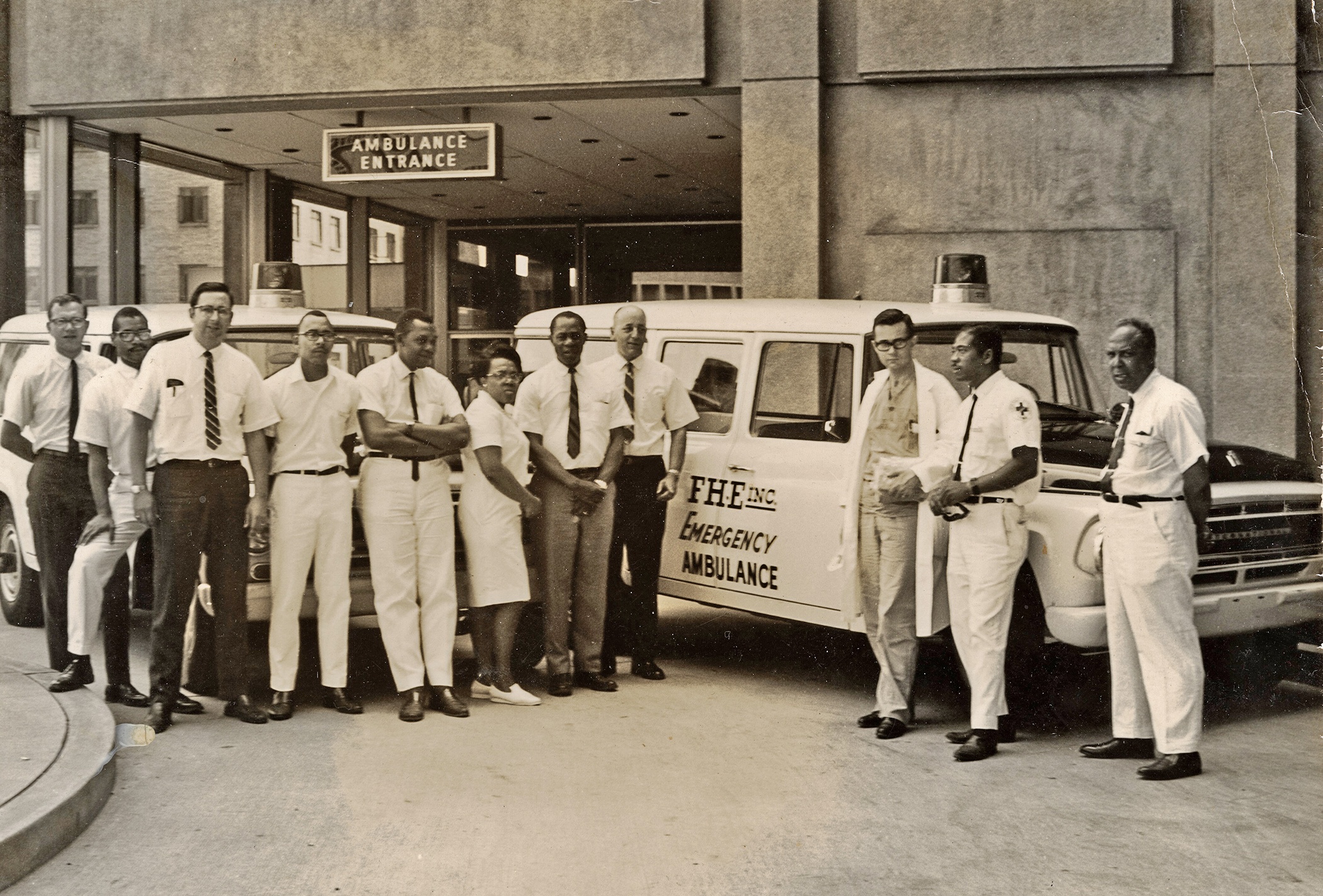
Freedom House and the Birth of Modern Paramedicine
Modern emergency medical care owes a major debt to an extraordinary ambulance service created in Pittsburgh's Hill District.
In 1967, Freedom House Ambulance Service began serving Pittsburgh's Hill District, Oakland and Downtown.
Its predominantly Black workforce received an unprecedented level of medical training, allowing crews to provide sophisticated emergency treatment before patients reached a hospital.
Freedom House became the nation's first community-based emergency medical service staffed by trained paramedics and pioneered practices that later became standard in EMS systems throughout the country.
A Pittsburgh story worth knowing: Some of the foundations of modern American paramedicine were built in the Hill District.
 Pittsburgh Food Myth
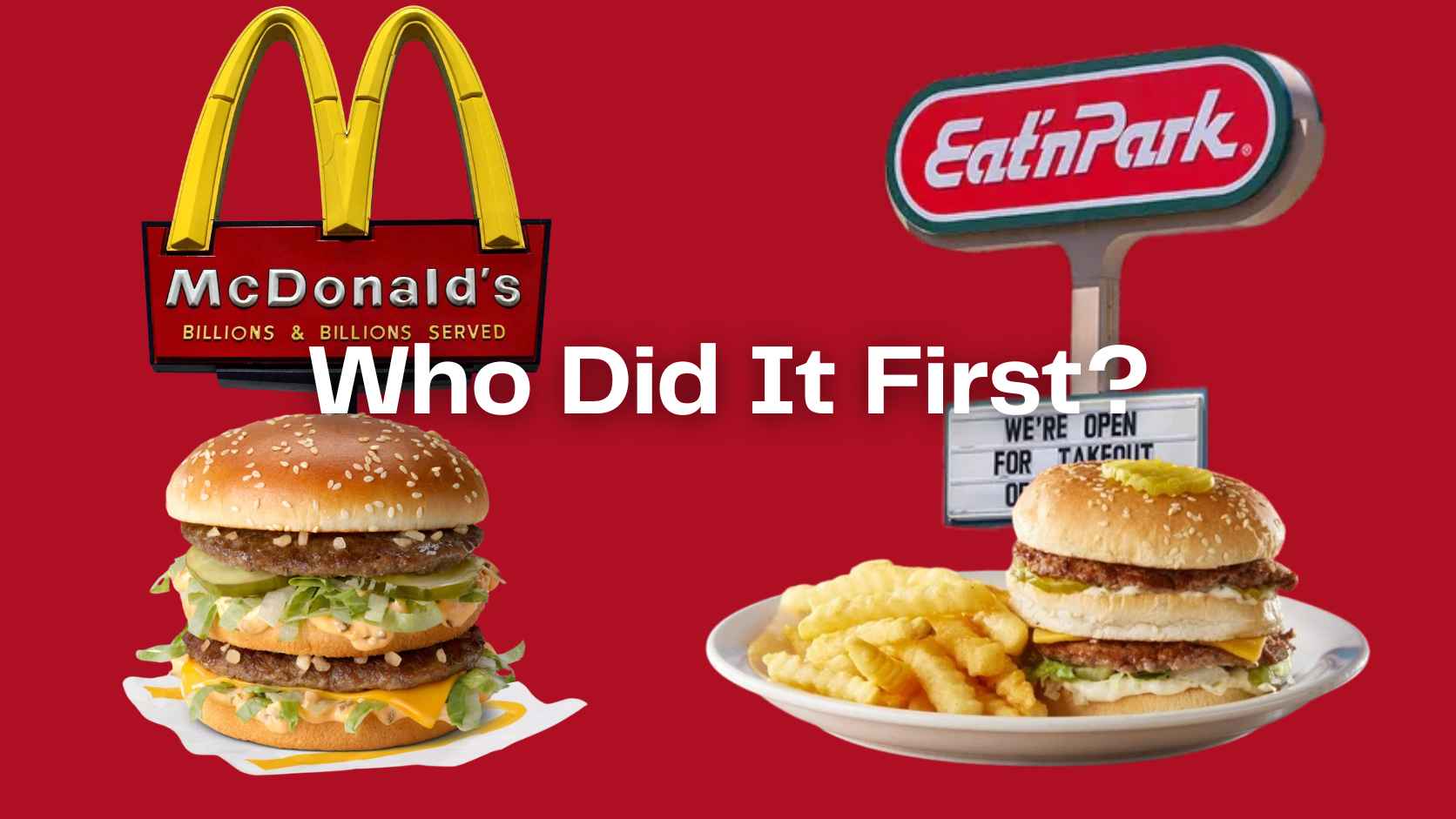
Did McDonald's Really Invent the Big Mac?
Jim Delligatti gets credit for creating the Big Mac in Western Pennsylvania in 1967. But Pittsburghers had already been eating a remarkably similar three-bun, double-decker burger with special sauce at Eat'n Park for nearly two decades.
The familiar story: Pittsburgh-area McDonald's franchisee Jim Delligatti invented the Big Mac at his Uniontown restaurant in 1967, creating the famous combination of two beef patties, a middle bun, lettuce, cheese, pickles, onions and special sauce.
Delligatti absolutely created the McDonald's sandwich that became known as the Big Mac. But the basic idea was already very familiar to Pittsburgh diners.
When Eat'n Park opened in Pittsburgh in 1949, it operated as one of the early regional Big Boy franchisees. Its signature Big Boy burger already used the architecture that would later make the Big Mac famous: two beef patties, three layers of bun, lettuce, cheese and a distinctive special sauce.
Eat'n Park's connection to the sandwich wasn't incidental. Founder Larry Hatch obtained regional Big Boy franchise rights and made the double-decker burger a fixture of Pittsburgh-area drive-in culture years before McDonald's began selling the Big Mac.
That chronology matters. Delligatti introduced the Big Mac in 1967 in a market where Pittsburgh customers had already spent roughly 18 years eating the same basic style of double-decker hamburger at Eat'n Park.
When Eat'n Park's Big Boy franchise agreement ended in 1974, the chain continued the concept under its own name: the Superburger. Eat'n Park describes today's Original Superburger as a double-decker with cheese, shredded lettuce, pickles and its distinctive Sauce Supreme.
And what about “special sauce”? Creamy, tangy hamburger sauces existed in different forms before either chain, so it would be too broad to say Pittsburgh invented every version of what people now call “burger sauce.” But Pittsburgh diners were eating a Big Boy-style double-decker with a proprietary special sauce at Eat'n Park long before the Big Mac made that combination internationally famous.
There is one more wrinkle: Eat'n Park did not invent the original Big Boy hamburger itself. Restaurateur Bob Wian created the original Big Boy double-decker in California in the 1930s. Eat'n Park became one of its earliest regional franchisees and made the sandwich an established part of Pittsburgh food culture.
The Pittsburgh truth: McDonald's didn't invent the three-bun, double-decker, special-sauce hamburger concept in Western Pennsylvania. Pittsburghers were already eating that kind of burger at Eat'n Park beginning in 1949. Delligatti adapted the concept for McDonald's, introduced his version as the Big Mac in 1967, and McDonald's ultimately made it famous around the world.
 Almost Pittsburgh
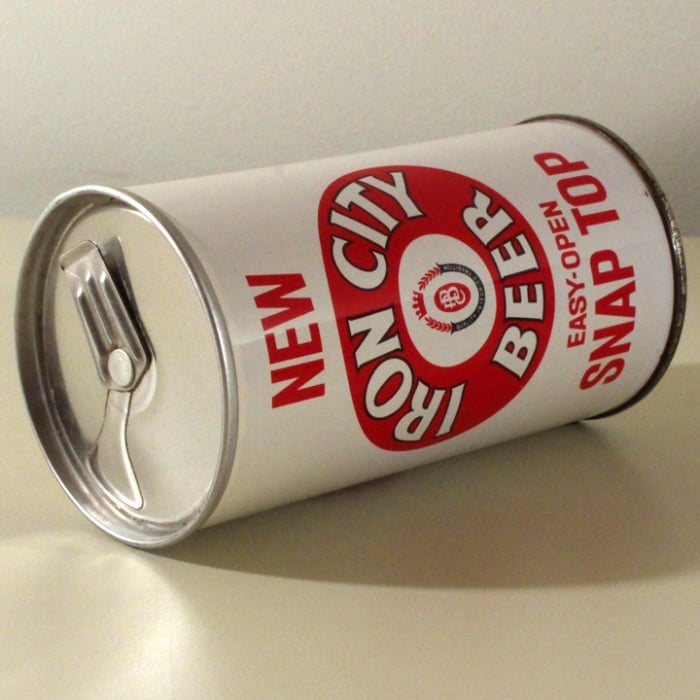
Did Pittsburgh Invent the Pull-Tab Can?
Iron City and Alcoa make this sound like an easy Pittsburgh invention. There's an Ohioan hiding in the story.
The Pittsburgh version: The pull-tab can was invented here and debuted on Iron City Beer.
Inventor Ermal Fraze of Dayton, Ohio, developed the familiar removable pull-tab concept.
Pittsburgh-based Alcoa became heavily involved in the technology, and Pittsburgh Brewing Company's Iron City Beer was associated with its early commercial introduction.
The verdict: Pittsburgh helped commercialize the pull-tab can. We can't claim the inventor.
 Invented Here
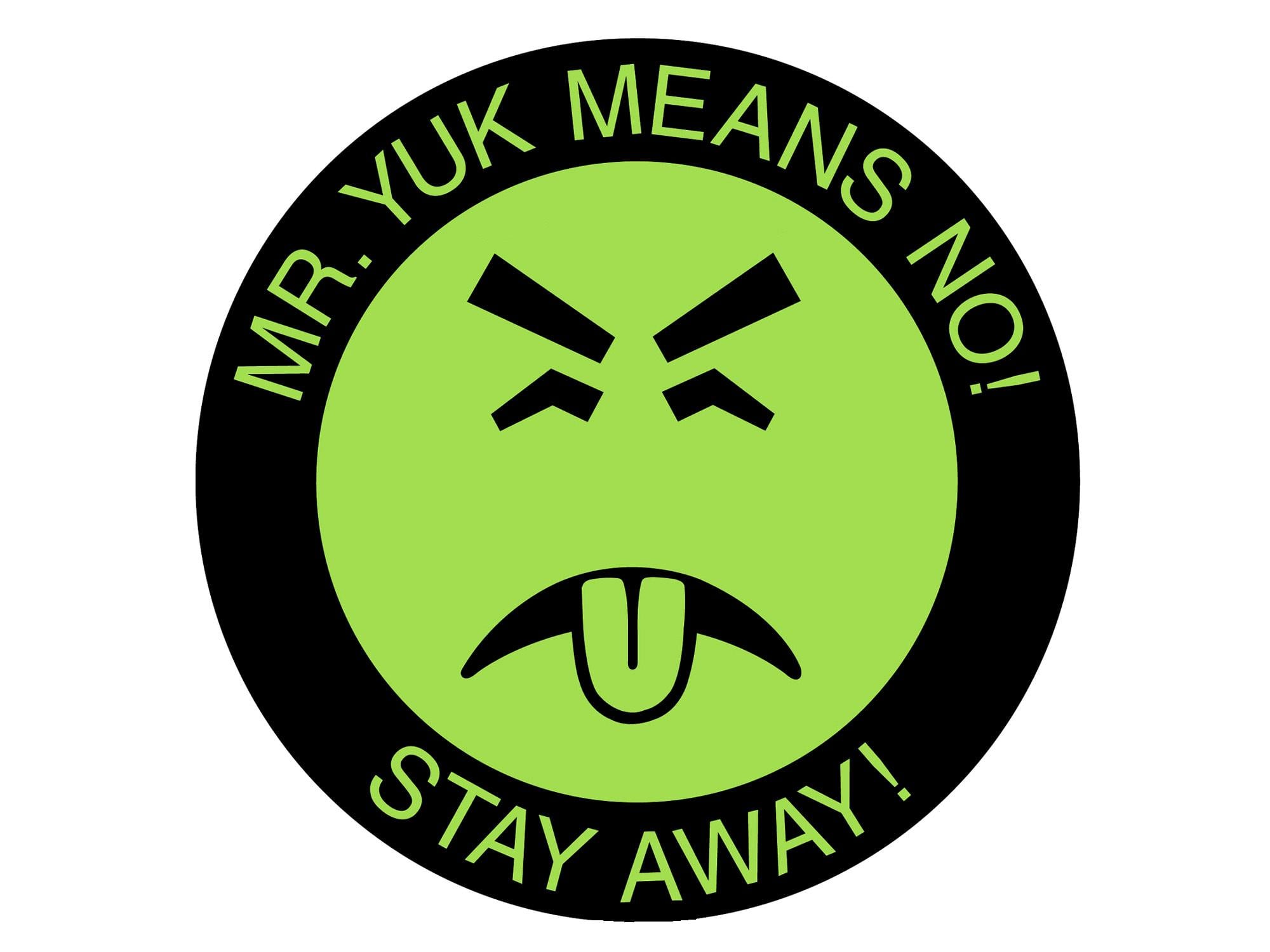
Mr. Yuk
That miserable green face warning generations of kids to stay away from poison was born in Pittsburgh.
The Pittsburgh Poison Center created Mr. Yuk in 1971 as an easily recognized poison-prevention symbol for children and families.
Dr. Richard Moriarty worked to create a warning symbol that would communicate danger effectively to children. The result was the now-famous bright green face with squinted eyes and its tongue hanging out.
Mr. Yuk became the nation's first poison-education symbol and millions of the familiar stickers have been distributed far beyond Western Pennsylvania.
Before real estate, Craig worked at UPMC on a team that included the Pittsburgh Poison Center — which occasionally meant getting to have a little fun with Mr. Yuk himself.
The verdict: 100% Pittsburgh. Mean. Green. And ours.
 Pittsburgh Tradition
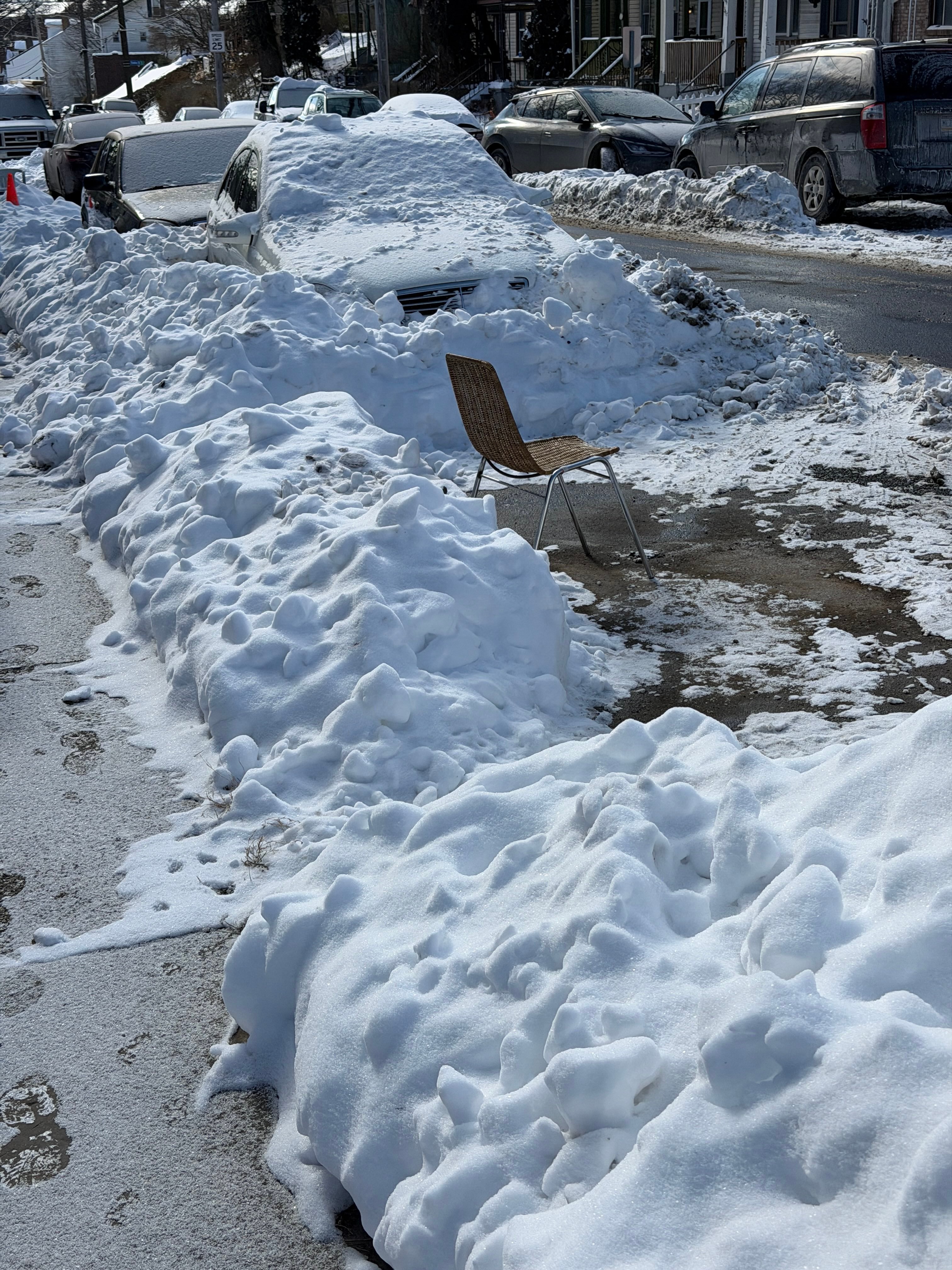
Did Pittsburgh Invent the Parking Chair?
Nothing says Pittsburgh quite like a folding chair informing you that somebody has claimed a public street.
The assumption: The Pittsburgh parking chair is a uniquely Pittsburgh invention.
The practice is deeply embedded in local culture, particularly after someone digs a vehicle out following a major snowfall.
But Pittsburgh isn't alone. Chicago has “dibs,” Boston has “space savers,” and versions of the same custom exist in other older American cities with dense street parking.
The verdict: Pittsburgh didn't invent territorial lawn furniture. We did, however, turn it into a local cultural icon.
 Mythbuster
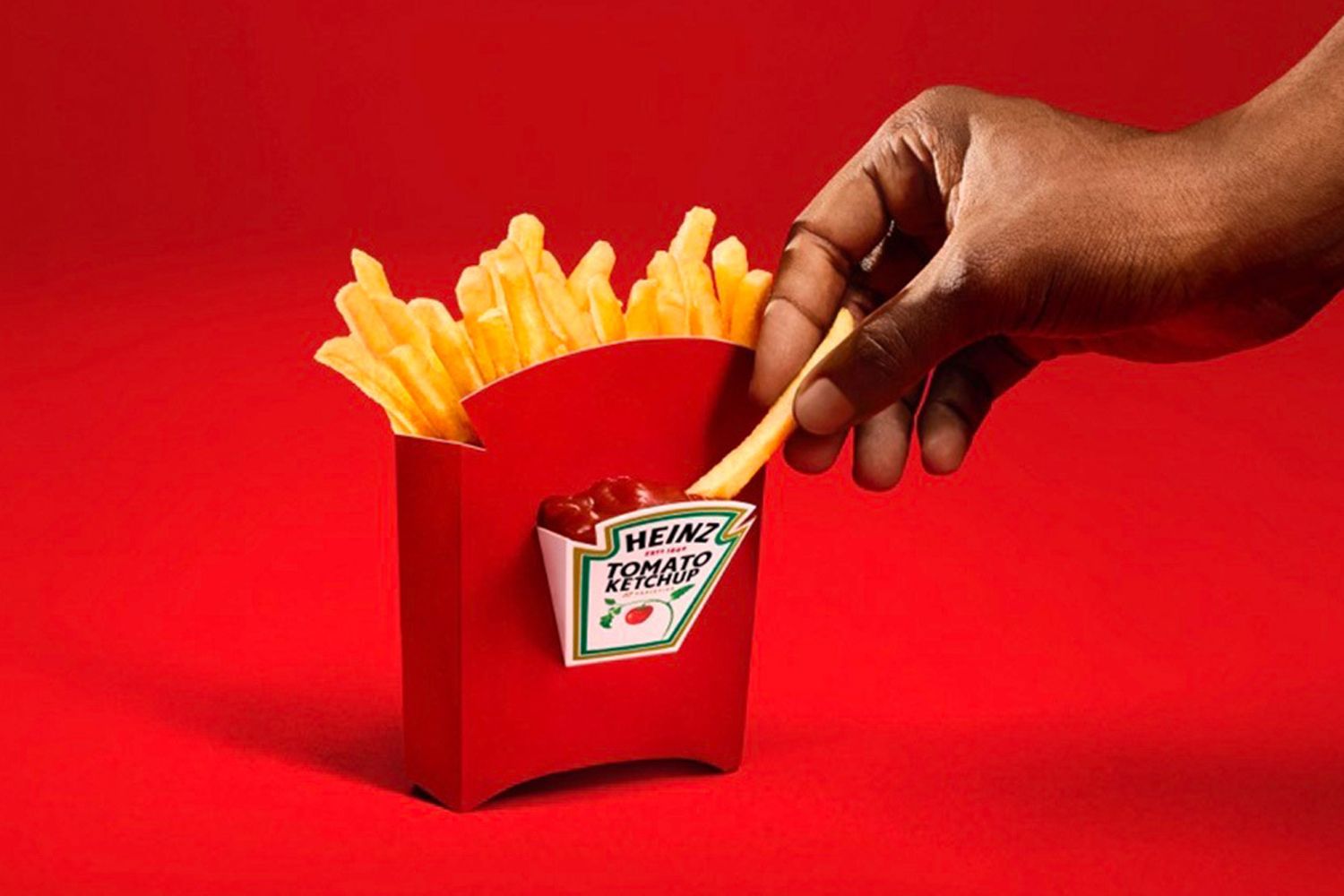
Did Pittsburgh Invent Ketchup?
Pittsburgh may be America's ketchup capital. That doesn't mean H.J. Heinz invented ketchup.
The assumption: Heinz invented ketchup in Pittsburgh.
Sauces resembling ketchup existed long before H.J. Heinz entered the food business, and published tomato-ketchup recipes predate the Heinz version.
Heinz's achievement was turning tomato ketchup into a consistently manufactured, enormously popular national product while building one of America's great food companies from Pittsburgh.
The verdict: Pittsburgh didn't invent ketchup. Pittsburgh made ketchup famous.
 Western PA
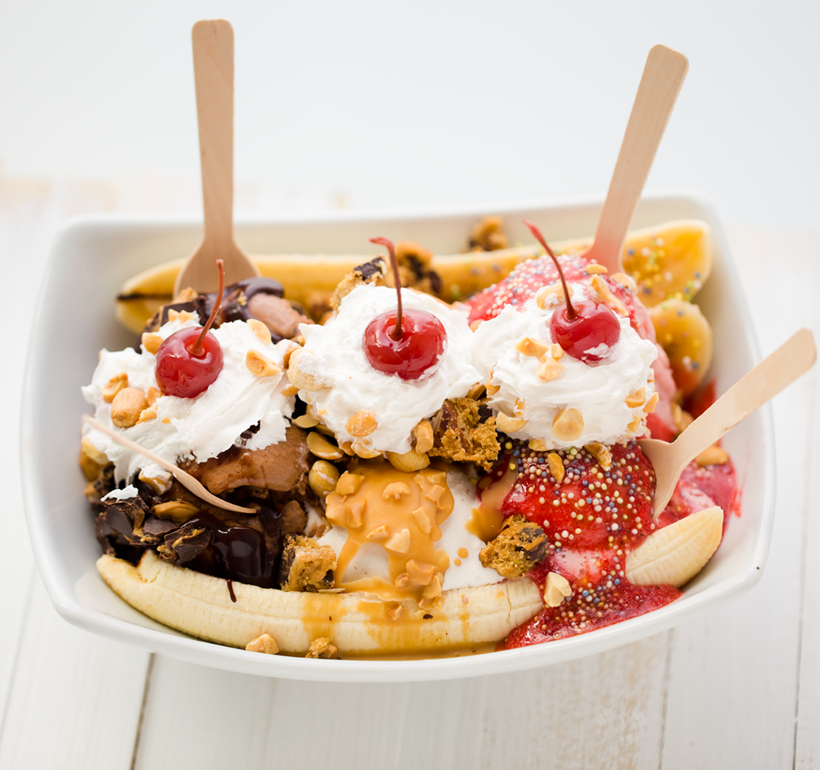
The Banana Split
One of America's classic ice-cream desserts was created just east of Pittsburgh in Latrobe.
David Strickler, a young pharmacy apprentice and University of Pittsburgh pharmacy student, is credited with creating the banana split at a Latrobe soda fountain in 1904.
The elaborate dessert spread well beyond Western Pennsylvania and became an American soda-fountain staple.
The geography lesson: Latrobe isn't Pittsburgh, but Western Pennsylvania can absolutely claim the banana split.
The Digital Smiley Emoticon :-)
Long before emoji, a Carnegie Mellon professor solved an online communication problem with three keystrokes.
On September 19, 1982, Carnegie Mellon computer scientist Scott Fahlman proposed using :-) on a CMU electronic bulletin board to identify messages intended as jokes.
He also suggested :-( for messages that were not jokes.
Variations of the sideways faces spread through digital communication and became predecessors to the enormous visual vocabulary of modern emoji.
Yes, really: The modern digital smiley has a Pittsburgh birth certificate.
 Tech Innovation
The Internet-Connected Coke Machine
One of the earliest ancestors of today's smart-home devices was a vending machine at Carnegie Mellon.
Carnegie Mellon computer science students were tired of walking to a vending machine in Wean Hall only to discover that it was empty — or that recently loaded bottles were still warm.
In 1982, they connected sensors on the machine to ARPANET so its status could be checked remotely.
Carnegie Mellon describes the project as the world's first Internet of Things device.
Meaning: Pittsburgh students were creating “smart appliances” decades before your refrigerator started asking for the Wi-Fi password.
 Technology First
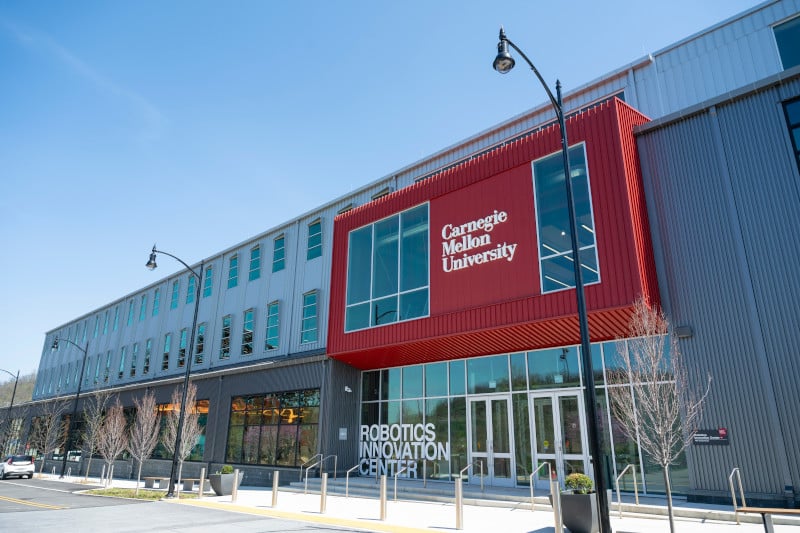
Carnegie Mellon's Robotics Institute
Pittsburgh's modern robotics economy didn't appear overnight. CMU was laying the foundation decades ago.
Carnegie Mellon established its Robotics Institute in 1979, creating one of the earliest major academic organizations devoted specifically to robotics research.
Research at CMU has since touched autonomous vehicles, artificial intelligence, computer vision, industrial robotics, space exploration and countless other fields.
The legacy: Pittsburgh's current reputation as a robotics and AI hub has roots stretching back generations.
 Mythbuster
Did the Steel City Invent Steel?
Pittsburgh made more steel than almost anyone. Inventing the material itself is another matter.
The assumption: Pittsburgh is the Steel City because steel was invented here.
Humans produced forms of steel long before Pittsburgh became an industrial powerhouse.
Even the Bessemer process that revolutionized mass steel production was developed in Europe.
Pittsburgh's extraordinary achievement was industrial scale: enormous mills, transportation networks, capital, coal and new manufacturing systems turned Western Pennsylvania into one of the most important steel-producing regions on Earth.
The verdict: Pittsburgh didn't invent steel. We became exceptionally good at making enormous quantities of it.
 Needs a Footnote
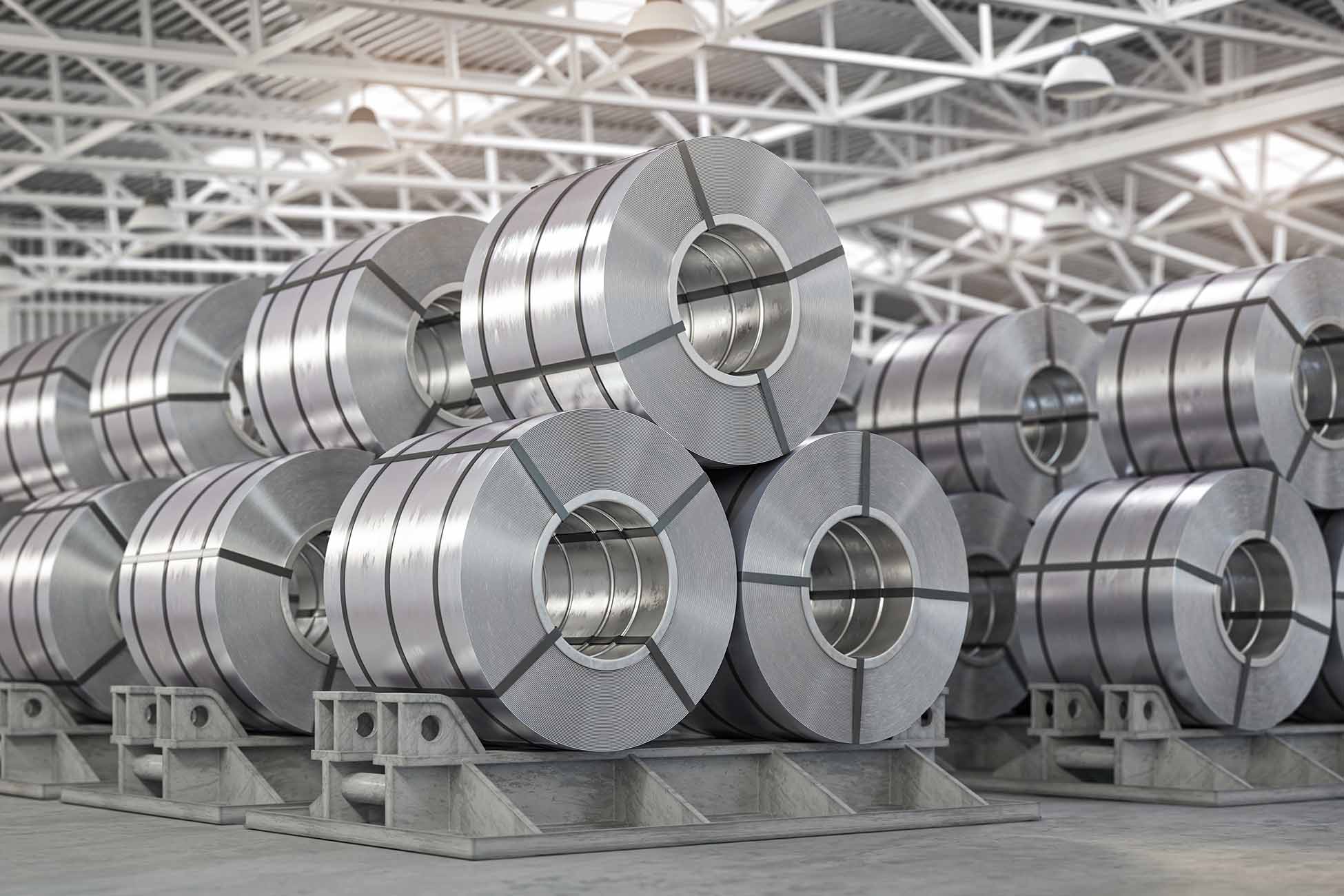
Did Pittsburgh Invent Aluminum?
Pittsburgh's connection to aluminum is enormous. “Invented here” still isn't quite the right description.
Aluminum existed long before Pittsburgh's industrial rise.
Charles Martin Hall developed the electrolytic process that made inexpensive aluminum production possible before joining investors who established the Pittsburgh Reduction Company.
That Pittsburgh company eventually became Alcoa and played a transformative role in commercializing aluminum production at industrial scale.
The verdict: Pittsburgh didn't discover aluminum. Pittsburgh played an enormous role in making aluminum an affordable modern industrial material.
 It Depends
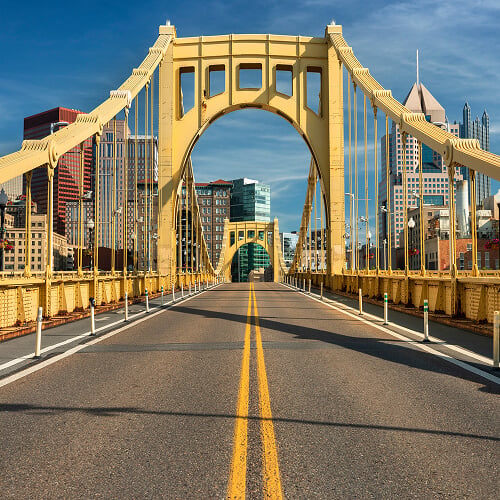
Does Pittsburgh Have More Bridges Than Any City in the World?
You've probably heard the 446-bridge statistic. The number is much easier to defend than the world championship.
The claim: Pittsburgh has 446 bridges — more than any other city in the world.
Pittsburgh's 446-bridge count is widely cited, and the city's geography absolutely makes bridges central to everyday life.
The difficulty comes with declaring a worldwide winner. Different cities define and count bridges differently, municipal boundaries vary enormously, and international comparisons aren't based on a single standardized inventory.
Pittsburgh is also frequently compared with Venice, another city famous for its bridges.
The safer brag: Pittsburgh has hundreds of bridges and one of the world's most remarkable urban bridge networks. “Most in the world” is harder to prove than the bumper sticker suggests.
 Yes... And No
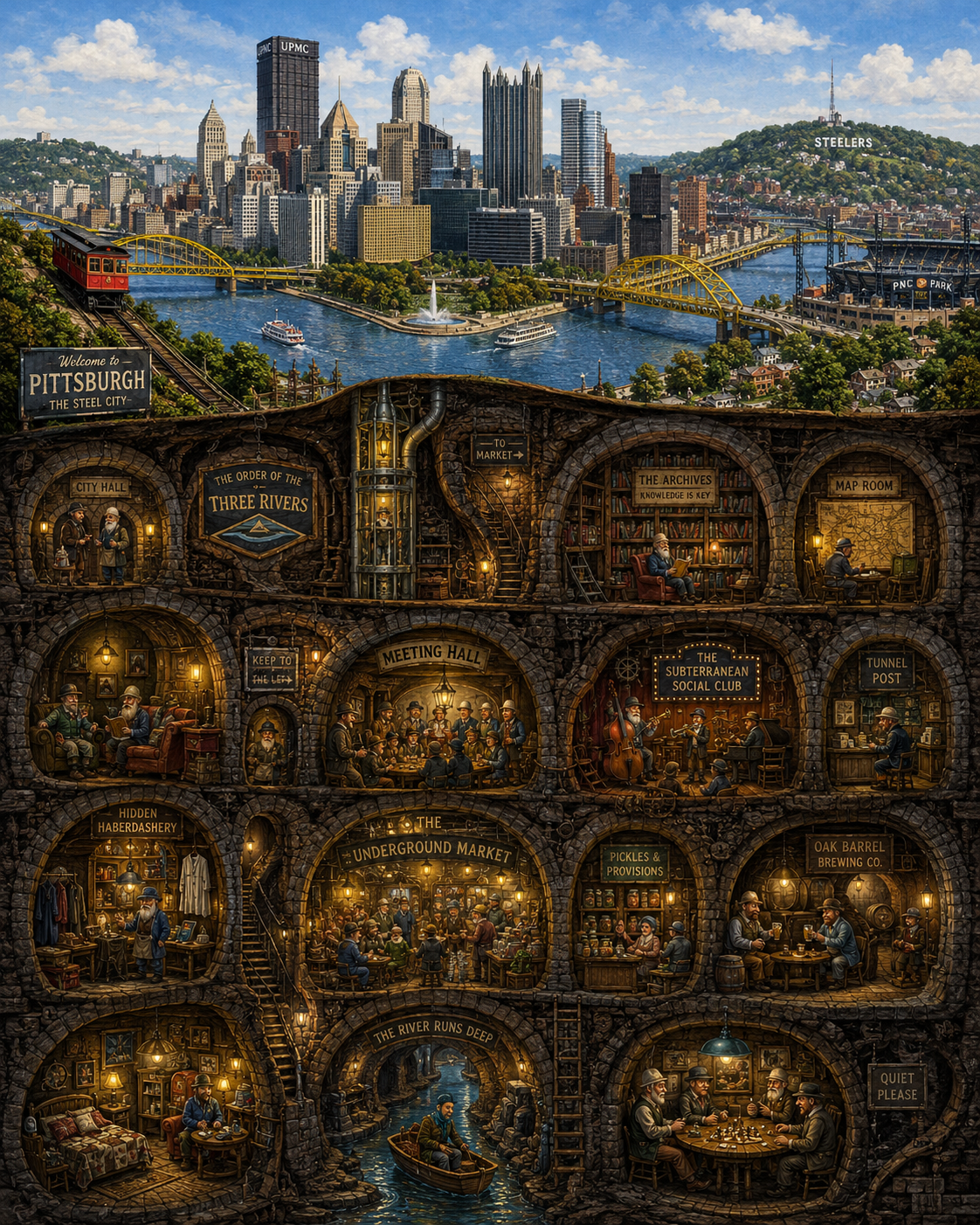
Is There a Secret City Underneath Pittsburgh?
Pittsburgh really does have tunnels and infrastructure below Downtown. A hidden underground metropolis is another story.
The legend: There's an entire forgotten city or secret tunnel network hiding beneath Downtown Pittsburgh.
Downtown does contain old utility infrastructure, steam tunnels, building connections, basements and other underground spaces. Various pieces of that hidden infrastructure have documented histories.
As with many cities, those real underground spaces have inspired bigger stories about secret passageways and a lost underground city.
The verdict: Underground Pittsburgh is real. The sprawling secret city version belongs much more comfortably in Pittsburgh folklore.
Pittsburgh Mythbusters
Sometimes the story is more famous than the truth.
Local legends survive because they're usually just believable enough to repeat. A Pittsburgh bridge looks vaguely like the Golden Gate. Heinz is synonymous with ketchup. Iron City used pull tabs. Pittsburgh has an absurd number of bridges.
A piece of truth gets attached to a better story, somebody repeats it at a bar, someone else repeats it on a tour, and before long half the city “knows” it happened.
Frequently Asked Questions
Pittsburgh Inventions, Firsts & Myths
Looking for the quick answer? Start here.
What famous things were invented in Pittsburgh?
Pittsburgh can claim or share credit for an impressive range of inventions and innovations, including George Westinghouse's railroad air brake, Jonas Salk's polio vaccine at the University of Pittsburgh, Mr. Yuk at the Pittsburgh Poison Center, Scott Fahlman's digital smiley emoticon at Carnegie Mellon and an early internet-connected vending machine at CMU.
Other famous creations, including the Big Mac, banana split and original Jeep prototype, originated elsewhere in Western Pennsylvania rather than within Pittsburgh itself.
Was the Ferris Wheel invented in Pittsburgh?
George Washington Gale Ferris Jr. was a Pittsburgh engineer when he developed the idea for the giant revolving observation wheel that bears his name. The original Ferris Wheel itself was built for the 1893 World's Columbian Exposition in Chicago.
Was the Golden Gate Bridge modeled after a Pittsburgh bridge?
No documented historical evidence shows that Pittsburgh's South Tenth Street Bridge, now officially called the Philip Murray Bridge, served as a prototype or model for the Golden Gate Bridge.
The story has circulated in Pittsburgh for years, but the Golden Gate's modern suspension design was already being developed by its own engineering team before Pittsburgh's present South Tenth Street Bridge was completed.
Was Mr. Yuk invented in Pittsburgh?
Yes. The Pittsburgh Poison Center created Mr. Yuk in 1971 as a poison-prevention and education symbol. Mr. Yuk became the first poison-education symbol of its kind in the United States.
Was the Big Mac invented in Pittsburgh?
Not within Pittsburgh city limits. McDonald's franchisee Jim Delligatti created the Big Mac while operating restaurants in Western Pennsylvania and introduced it at his Uniontown restaurant in 1967. It is better described as a Western Pennsylvania invention.
Was ketchup invented in Pittsburgh?
No. Ketchup and tomato-ketchup recipes existed before H.J. Heinz began producing it. Pittsburgh-based Heinz instead helped standardize, manufacture, market and popularize tomato ketchup on an enormous scale.
Did Pittsburgh invent professional football?
Pittsburgh has one of the strongest claims to the birth of professional football. In 1892, the Allegheny Athletic Association paid William “Pudge” Heffelfinger $500 to play against the Pittsburgh Athletic Club. It is the earliest documented payment to a football player specifically for playing in a game.
Does Pittsburgh have more bridges than any other city?
Pittsburgh is commonly said to have 446 bridges and unquestionably has an extraordinary urban bridge network. Claims that it has more bridges than every other city in the world are harder to verify because cities and countries count bridges differently and their municipal boundaries vary substantially.
Did Pittsburgh invent the parking chair?
Probably not. Reserving shoveled-out street parking spaces with chairs or other objects exists in several older American cities. Pittsburgh simply embraced the practice so enthusiastically that the parking chair became part of local culture.
Is there really an underground Pittsburgh?
There are real tunnels, utility infrastructure, basements and underground building connections beneath parts of Downtown Pittsburgh. Stories about an enormous forgotten underground city, however, go well beyond what the documented history supports.
Pittsburgh is complicated. That's part of the fun.
The more you learn about Pittsburgh, the more interesting it gets.
Pittsburgh's history isn't just steel mills and sports teams. It's engineers, scientists, immigrants, entrepreneurs, universities, neighborhoods, medical breakthroughs, industrial experiments and a truly impressive collection of stories that somebody's uncle swears are true.